

I'm an Educational Psychologist based in Cape Town, and throughout my career one question has guided everything I do: What does this child need to thrive?
That question has taken me from Foundation Phase classrooms in South Africa to schools across the United Kingdom, from therapy sessions with children to conversations with parents and teachers. Every step of that journey has reinforced what I believe most: that every child deserves to be understood, and that when we understand a child well, we are better able to help them flourish.

The Person Behind the Practice
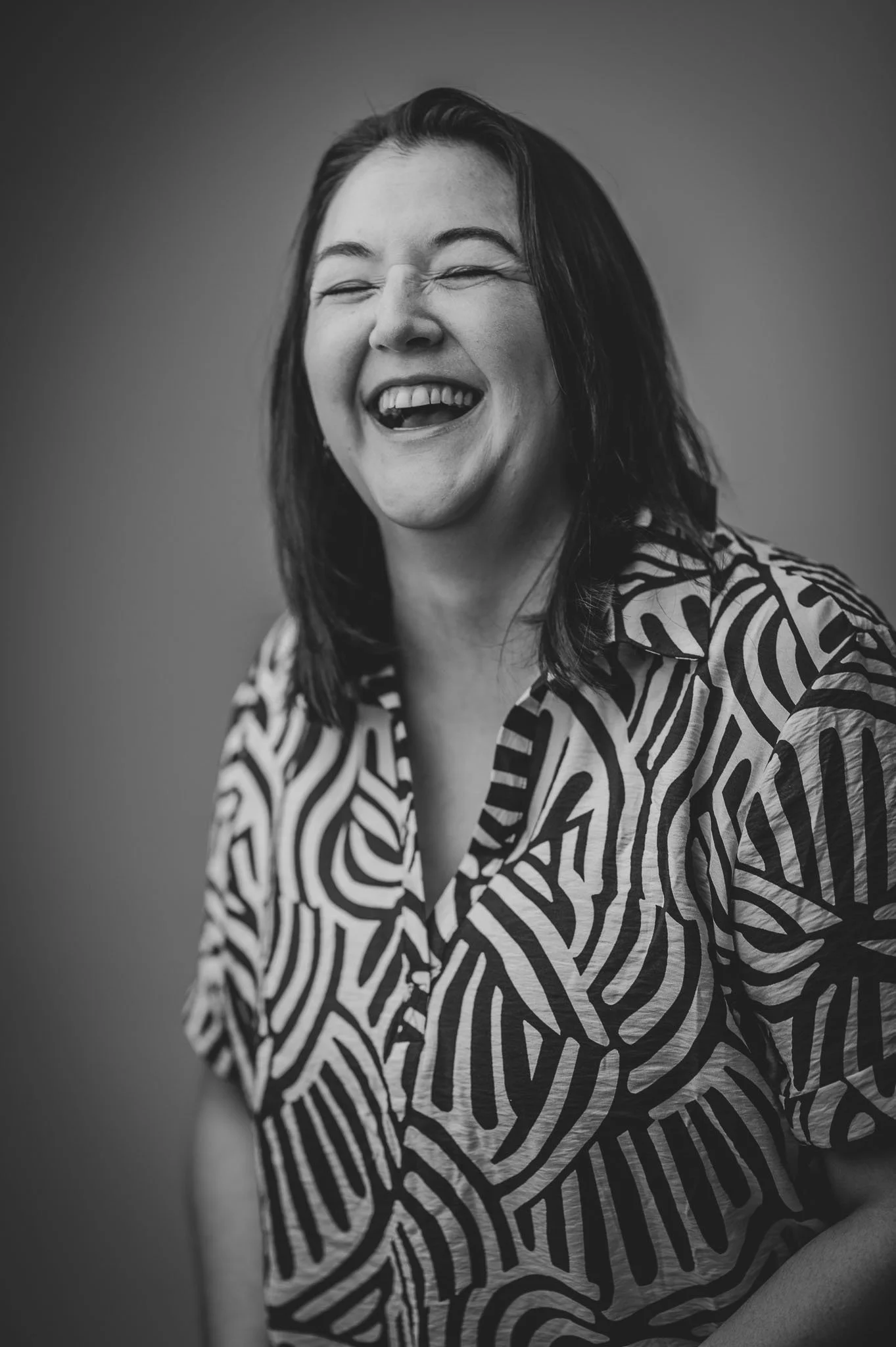
My Journey
My journey into Educational Psychology began in the classroom.
I completed both my Bachelor of Psychology and Bachelor of Education (Foundation Phase) at Stellenbosch University, giving me a unique understanding of both child development and education. Before becoming a psychologist, I spent several years teaching in Foundation Phase classrooms and specialist settings, supporting children with autism, ADHD, Down syndrome, intellectual disability, and cerebral palsy.
Those years taught me lessons that no textbook could. I know what it looks like when a child quietly slips under the radar, and I understand how difficult it can be for teachers to meet the needs of every child in a busy classroom. That experience continues to shape the way I work with children, families, and schools today.
I went on to complete my Master's in Educational Psychology (Cum Laude) at Stellenbosch University. My research explored the experiences of Xhosa-speaking parents raising children with Autism Spectrum Disorder, deepening my understanding of the important role that culture, family, and community play in a child's development.
In 2022, I moved to the United Kingdom, where I worked as an Educational Psychologist for three years within the public education system. I supported children and young people from 3 to 18 years of age through comprehensive assessments, therapeutic work, consultation with parents and schools, and close collaboration with teachers and other professionals involved in each child's care.
I have since returned to Cape Town because this is home. I am passionate about supporting children and their families by combining international experience with a practical, compassionate, and collaborative approach.
Above all, I believe that every child deserves to be understood. My goal is not simply to identify difficulties, but to understand the whole child, recognise their strengths, and work alongside families and schools to help them flourish.
My Approach
I believe every child should be understood within the context of their family, school, relationships, culture, and wider community. My work is informed by Bronfenbrenner's Ecological Systems Theory, recognising that children's development is shaped by the many interconnected environments in which they grow and learn. Rather than focusing only on a child's difficulties, I seek to understand the bigger picture, because that is where the most meaningful and lasting solutions are often found.
The whole child
Trauma-informed practice
Children's behaviour, learning, and emotional wellbeing are shaped by their experiences. I recognise that stress, adversity, and relationships can influence how a child copes and responds to the world around them. My approach prioritises safety, trust, and understanding, seeking to understand the meaning behind behaviour rather than simply responding to the behaviour itself.
Child- and person-centred
Every child deserves to feel heard, respected, and understood. I adapt my approach to each child's individual strengths, needs, interests, and communication style, ensuring they feel safe, valued, and actively involved throughout the assessment or therapeutic process. My aim is for children to leave sessions feeling understood, not labelled.
Strengths-based practice
Every child has unique strengths, interests, and abilities. While assessment often begins with concerns, I believe it is equally important to recognise what a child does well and to build upon those strengths. Identifying and nurturing these strengths helps foster confidence, resilience, and meaningful progress.
Collaborative partnership
The best outcomes are achieved when families, schools, and professionals work together. Parents know their child best, teachers provide valuable insight into the learning environment, and each professional brings a unique perspective. By working collaboratively and communicating openly, we can develop practical, individualised strategies that support children across the environments in which they live, learn, and grow.